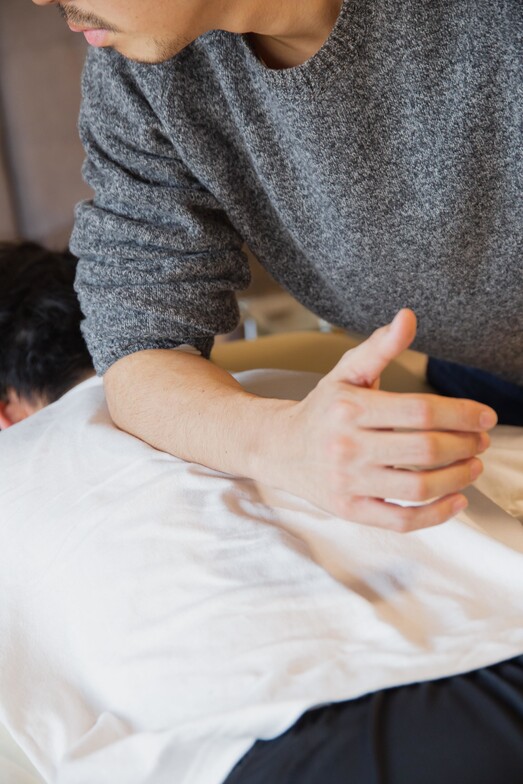
The human spine is not merely a stack of bones; it is the central pillar of human health and motion. As a physician, I cannot overstate its critical role. It is responsible for providing structural support against gravity, enabling the vast range of movements we take for granted, and, most importantly, acting as the primary shield for the delicate spinal cord, which is the superhighway of our nervous system. Ignoring the health of this vital structure is akin to ignoring the foundation of a house—eventually, the entire structure suffers.
The Profound Impact of Spinal Dysfunction
When we consider "wellness," we often think of diet or cardiovascular fitness. However, suboptimal spinal health can be a silent saboteur of overall well-being. The consequences extend far beyond a localized ache:
-
Chronic Pain and Disability: Conditions like Chronic Low Back Pain (CLBP) are among the leading causes of global disability. The lifetime prevalence of low back pain is estimated to be as high as 84% in the general population, significantly impacting quality of life and productivity (Hoy et al., 2014).
-
Neurological Compromise: Spinal pathologies, such as a herniated intervertebral disc or spinal stenosis, can impinge upon nerve roots. This compression doesn't just cause local pain; it can lead to radiculopathy (pain radiating down a limb), muscle weakness, and altered reflexes, disrupting communication between the brain and the body (Dydyk et al., 2024).
-
Systemic Load: Poor posture, often resulting from weak core muscles and spinal misalignment, creates abnormal biomechanical stresses. Over time, this can lead to accelerated degenerative changes in the joints and soft tissues, necessitating more complex interventions down the line (Kendall et al., 2017).
Proactive Strategies for Spinal Resilience
Fortunately, the spine is incredibly resilient, and we have significant control over its long-term health through proactive, consistent measures. This isn't just about reacting to pain; it's about building a robust, pain-resistant core.
1. Embrace Dynamic Movement and Core Stability
Movement is the nutrient for the intervertebral discs. Regular, targeted exercise is fundamental:
-
Strengthening: Focus on the "core musculature" (transversus abdominis, multifidus, obliques), which acts as a natural corset to stabilize the lumbar spine. Studies have shown that specific core stabilization exercises are highly effective in reducing pain recurrence in CLBP patients (Kouzi et al., 2023).
-
Flexibility and Mobility: Activities like yoga, Pilates, and targeted stretching help maintain the natural curves of the spine and prevent stiffness, which is a major precursor to injury. The goal is a balanced spine—strong where it needs stability and flexible where it needs range of motion.
2. Prioritize Ergonomics and Postural Awareness
In our modern, sedentary lives, how we sit is often more impactful than how we exercise.
-
The Ergonomic Environment: Whether you are sitting at a desk or driving, your chair and workstation should support the natural S-curve of the spine. Use lumbar support and ensure your computer monitor is at eye level to prevent the common "forward head posture," which drastically increases the load on the cervical spine () (Heneghan et al., 2018).
-
Mindfulness: The best chair in the world is useless if you don't adjust your position. Set reminders to stand, stretch, and move every 30-60 minutes to interrupt sustained static loading.
3. The Role of Professional Care
While lifestyle changes are the daily maintenance, professional guidance is crucial for diagnosis and intervention.
-
Seeking Early Intervention: If you experience acute pain that persists beyond a few days, or if you note neurological symptoms like numbness or tingling, it is vital to consult a healthcare professional. Early and accurate diagnosis, followed by a personalized treatment plan (which may include physical therapy, pharmacological treatment, or manual therapy), prevents acute issues from becoming chronic conditions (Chou et al., 2017).
Conclusion
Your spine is a living, adapting structure that reflects the cumulative choices you make. By viewing its health as a core investment—prioritizing balanced movement, maintaining mindful posture, and seeking timely professional care—you are not just alleviating back pain; you are ensuring sustained mobility, neurological function, and a higher quality of life. The greatest return on your wellness investment starts at your core.
References
-
Chou, R., et al. (2017). Diagnosis and Treatment of Low Back Pain: A Joint Clinical Practice Guideline from the American College of Physicians and the American Pain Society. Annals of Internal Medicine, 147(7), 478-491.
-
Dydyk, A. M., et al. (2024). Radiculopathy. StatPearls Publishing. Available from: [Relevant medical database/journal].
-
Heneghan, N. R., et al. (2018). The effect of standing and computer work on the cervical spine and posture. Ergonomics, 61(12), 1599-1606.
-
Hoy, D., et al. (2014). The global burden of low back pain: estimates from the Global Burden of Disease 2010 study. Annals of the Rheumatic Diseases, 73(6), 968-974.
-
Kendall, F. P., et al. (2017). Muscles: Testing and Function with Posture and Pain (5th ed.). Wolters Kluwer.
-
Kouzi, L., et al. (2023). Effects of Core Stability Training in Patients with Chronic Low Back Pain: A Systematic Review and Meta-Analysis. The Journal of Sports Medicine and Physical Fitness, 63(6), 720-730.
Dr. Thalia Micah
Contact Me